UPDATE
January 5, 2026
How to clean and optimize your macOS system: manually or automatically using the macOS Clear System Data command
Keeping your Mac in good working order is key to getting as much
benefit as possible out of your Apple system. Follow our guide
to clear up space on your Mac and optimize it, making it faster
and more responsive. Two clean paths for every Mac owner.
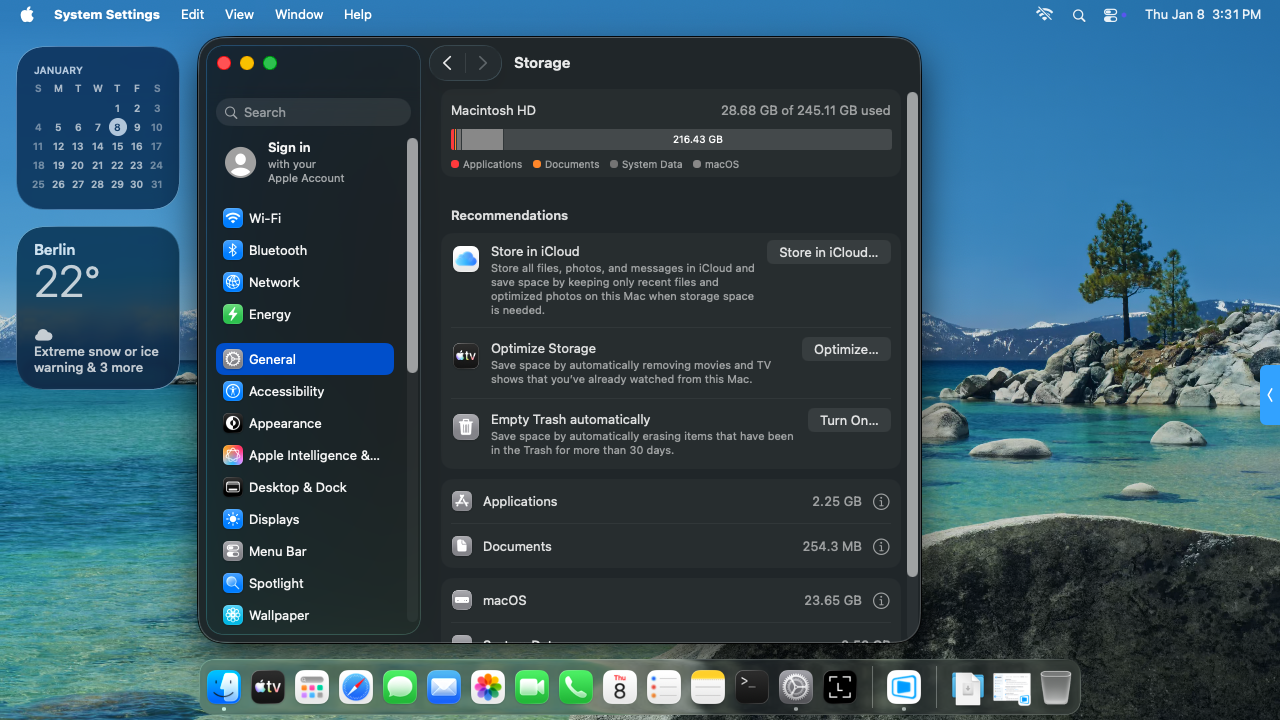
Cleaning a Mac is about removing the right files without
touching what matters. We recommend starting with a quick backup
and a quick storage review so you know where the weight is. Most
slowdowns come from overflow in Downloads, Old Installers, Large
Caches and Duplicated Files. You can fix these in under an hour
manually, or in a few minutes with automation.
Keeping your Mac in good working order is key to getting as much
benefit as possible out of your Apple system. Follow our guide
to clear up space on your Mac and optimize it, making it faster
and more responsive.
Optimize your Mac with a clean-up
To keep your Mac in peak performance, it’s essential to clean
the inside of your Mac. It takes a little time, but it’s worth
it!
Step 1: Update your software
The first step to optimizing your Mac is to update your
software. Install any patches, security updates and application
updates. It’s important to accept updates from Apple to maintain
the security of your computer and to receive any new features
and enhancements. Software updates often streamline
applications, which makes your Mac more efficient.
Automated macOS Clear System Data command
- Press Command (⌘)+Space > type Terminal and hit Return.
- Paste the command into the Terminal window and press Return.
Terminal
Using terminal commands to clean up macOS offers several advantages:
- Faster and More Efficient: Terminal commands can quickly target and remove specific files, caches, and system clutter that accumulate over time. Unlike third-party apps that may scan everything, terminal commands let you clear only what you need, saving time and system resources.
- No Unwanted Software: Third-party cleanup tools sometimes come with additional bloatware or ads. Using terminal commands avoids this and keeps your system lean.
- No Need for Third-Party Software: You don't have to rely on external apps that might not always be as safe or efficient. Using built-in macOS tools ensures you're working with native commands that are optimized for macOS.
- Advanced Options: Terminal offers a level of control that graphical applications may not provide, such as advanced removal of system files or orphaned files that are not easily accessible through a GUI.
Step 2: Tidy your start-up
Check for programs that automatically start when you turn on
your computer. Delete unused programs or remove them from the
start up menu.
To find the items that are opening automatically and running in
the background, follow these steps:
Open System Preferences and go to
Users & Accounts.
Select the login tab.
Remove any apps you don't want to start automatically when you
log in to your computer.
It’s also important to turn off your system completely about
once a week. Turning off the computer clears the memory and
closes any programs that might be running in the background.
Step 3: Clean out unused apps
Look at your desktop and remove the shortcuts for any programs
and documents that you’re no longer using. Delete the programs
and documents or move them to storage. Use Software Update to
uninstall unnecessary apps.
To get to Software Update, click
the apple icon, then select
App Store and update or uninstall
programs.
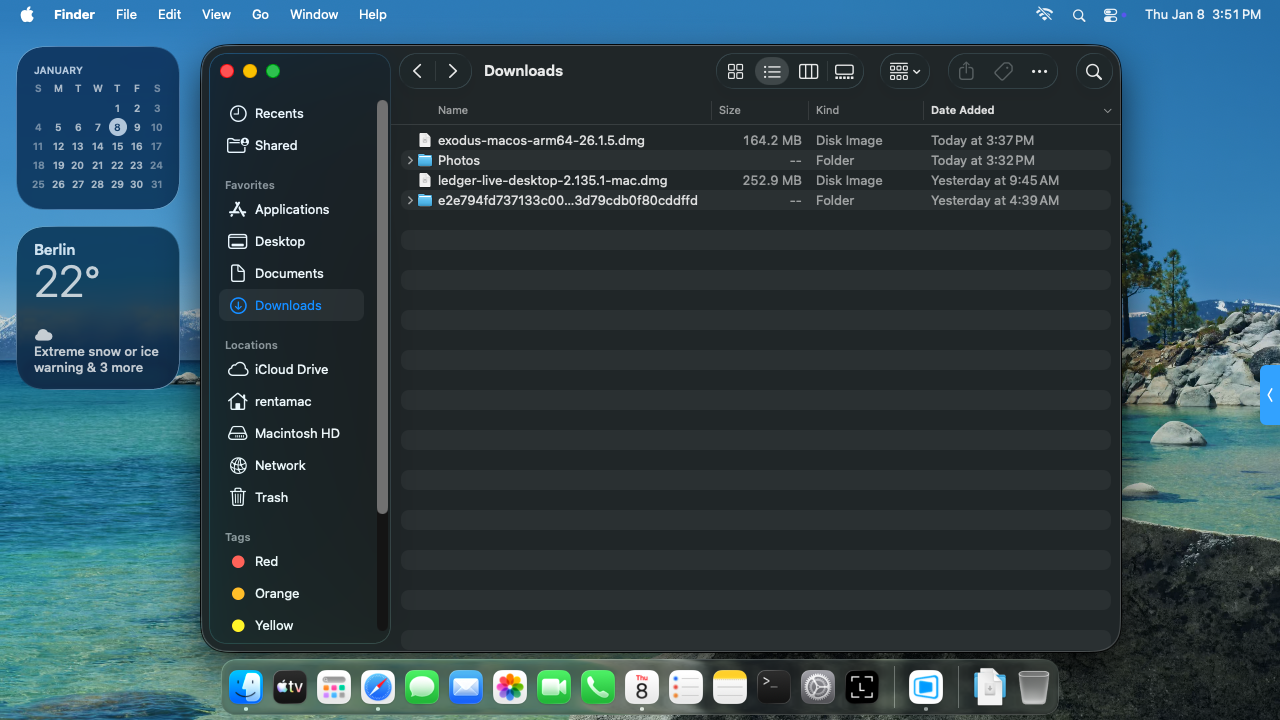
Step 4: Clean out the downloads folder
Your downloads folder can get bogged down with a lot of old
downloads. Move everything in the folder to storage or delete it
if it’s no longer used.
Step 5: Tidy up your storage disk
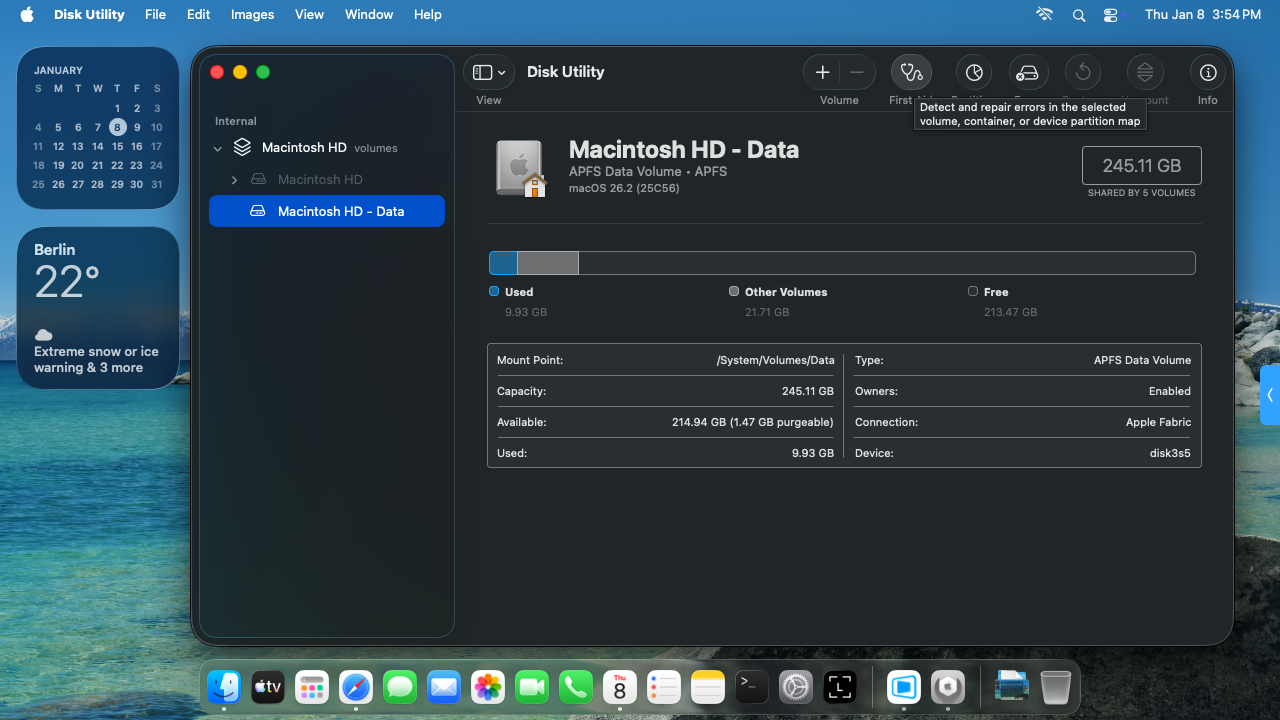
To further optimize your system, check and fix your storage
disk:
In Applications, select
Utilities >
Disk Utility.
Choose your storage drive, then select
Verify Disk.
If any errors are returned, select
Repair Disk.
If you’re running OS X Sierra, you can also optimize your
storage automatically. This feature will also move some of your
items to iCloud®. To set up your iCloud account, go to
System Preferences, then click
iCloud.
It’s a good idea to go through the files on your storage disk
and remove anything you no longer want: programs you don’t use,
games you don’t play, and files you don’t need to keep. Freeing
up space on your storage drive will help the computer respond
faster.
If you find that your Mac is running out of storage space, it
might be time for an upgrade. If you’re using a hard drive,
consider getting a solid state drive (SSD).
Step 6: Clean out the cache
Your system can also be optimized by cleaning out the cache your
system saves every time you go to a website.
If you're using Safari as your browser, follow these steps:
Open Safari and from the menu, select Safari > Preferences.
Open Safari and from the menu, select Safari > Preferences.
Go to the Advanced tab and check the Show develop menu checkbox
if it isn't already checked.
Return to the browser menu in Safari, and select
Develop >
Empty
caches.
Be sure to back up your data regularly, as well.
Step 7: Remove resource-hungry programs
Some programs use more processor and memory resources than
others.
Here’s how to find out which apps are using memory resources:
In the Finder app, click
Applications >
Utilities >
Activity Monitor > then click the
Memory tab and the CPU tab.
You’ll see the processes listed in order of how much memory they’re using
Decide if you need to use the programs that are using the most resources, or if you can close them.
You’ll see the processes listed in order of how much memory they’re using
Decide if you need to use the programs that are using the most resources, or if you can close them.

If you consistently need to use programs that use a lot of
memory, consider getting more memory (RAM).
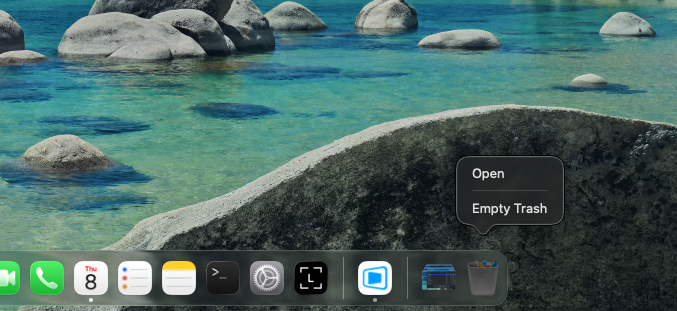
Step 8: Take out the trash
Be sure to empty the trash after you’ve removed apps and other
deleted items.
Clean the outside of your Mac and more
Cleaning the outside of your Mac prevents dust and grime from
interfering with the keyboard and vents. A grimy keyboard can
cause stuck keys, slowing down typing. Dusty vents can cause
your system to use unnecessary resources on cooling, which can
slow it down. As an added bonus, having a clean computer and
desk area gives you a psychological boost.
To clean your computer, turn it off and unplug it. Then, use a
damp cloth to clean the accumulated dust from any surfaces,
being careful to use appropriate chemicals — especially on your
screen or monitor. Spray the cleaner on a cloth to avoid getting
moisture in any of the ports. Use compressed air to clean around
the keys on the keyboard and in the vents. For MacBooks®, use
short bursts of air to clean the vents without harming the fans
on the inside.
Take this opportunity to identify and tidy up any cables that
are tangled around each other. It will be much easier to swap
out peripheral equipment if cables are kept untangled and
organized.
Following these tips will help clean up and optimize your Mac so
you can work and play quickly.
Share article
Press Contacts
Apple Media Helpline